
Home Insurance and Chimney Sweep Certificates: What to Know
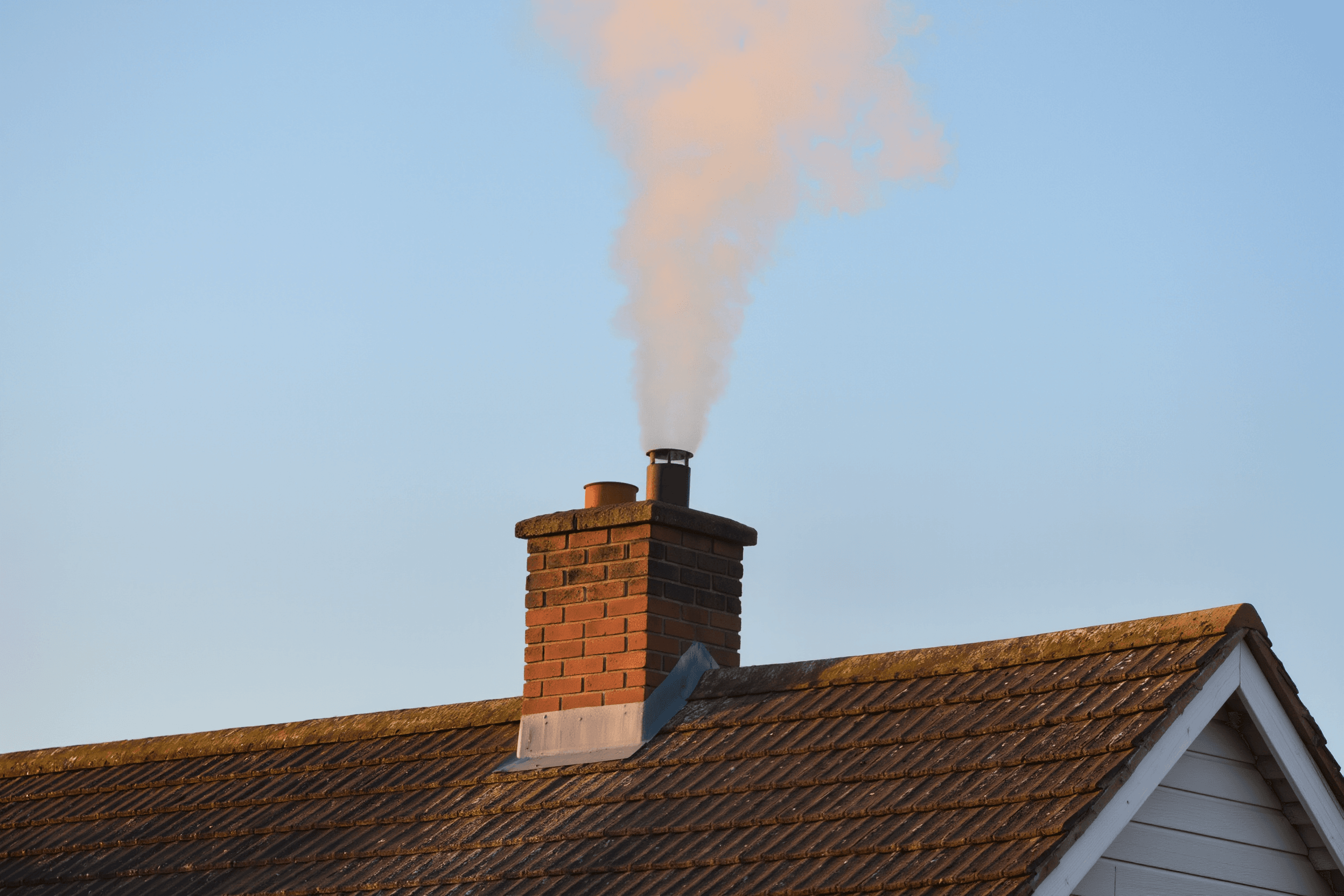
Many Quebec insurers require, explicitly or in practice, proof of regular maintenance to maintain coverage on a home equipped with a fireplace or wood stove. Many homeowners only discover this at the worst possible time: when filing a claim.
Why it matters
In the event of a wood-heating-related claim (chimney fire, smoke damage, a fire that started near the fireplace), the insurer may ask for proof the flue was maintained according to manufacturer or industry recommendations. Without a certificate, a claim can be denied or reduced, even if the incident itself wasn't directly caused by a maintenance lapse — the absence of proof is often enough to justify a denial or a lower payout.
What a sweep certificate includes
A professional certificate generally states:
- The service date and the technician's or company's name
- The flue's condition before and after cleaning
- The creosote buildup grade found (light, moderate, severe/glazed)
- Any repair or follow-up recommendations
Keep this document — many insurers ask for the last two or three years of certificates when processing a claim, not just the most recent one.
When taking out a policy
Some insurers require a recent chimney inspection before even issuing a policy for a home with a wood fireplace, particularly for older homes, homes where wood is the primary heat source, or installations that appear to have been modified without a permit.
What can void coverage even with a certificate
A certificate doesn't protect against everything. An installation that doesn't meet building code, a stove installed without a municipal permit, or using a different appliance than the one inspected can still lead to a denied claim, regardless of how often the chimney was swept.
When selling or buying a home
A recent sweep certificate is an asset during a sale — it reassures the buyer, speeds up the pre-purchase inspection, and can make it easier for the new owner to get insured, since they'll need to provide their own proof of maintenance for their policy.
Our advice
Keep every sweep certificate on file, even if your insurer doesn't explicitly ask for one every year — they become valuable at claim time or when selling, and the cost of getting one is minor compared to the risk of a denied claim.
Frequently asked questions
Does a sweep certificate guarantee a claim gets accepted?+
No — it removes one common ground for denial (lack of maintenance), but the insurer can still invoke other clauses, such as a non-compliant installation.
Do I need to notify my insurer every time I have my chimney swept?+
Generally no, but keep the certificate — you'll only need to present it at claim time or when a policy renewal requires it.
Get a free quote
More to know before your project.
By Sophie Bouchard — Certified chimney sweep, residential fire safety specialist
Updated on July 22, 2026