
Carbon Monoxide and Your Furnace: Warning Signs to Know
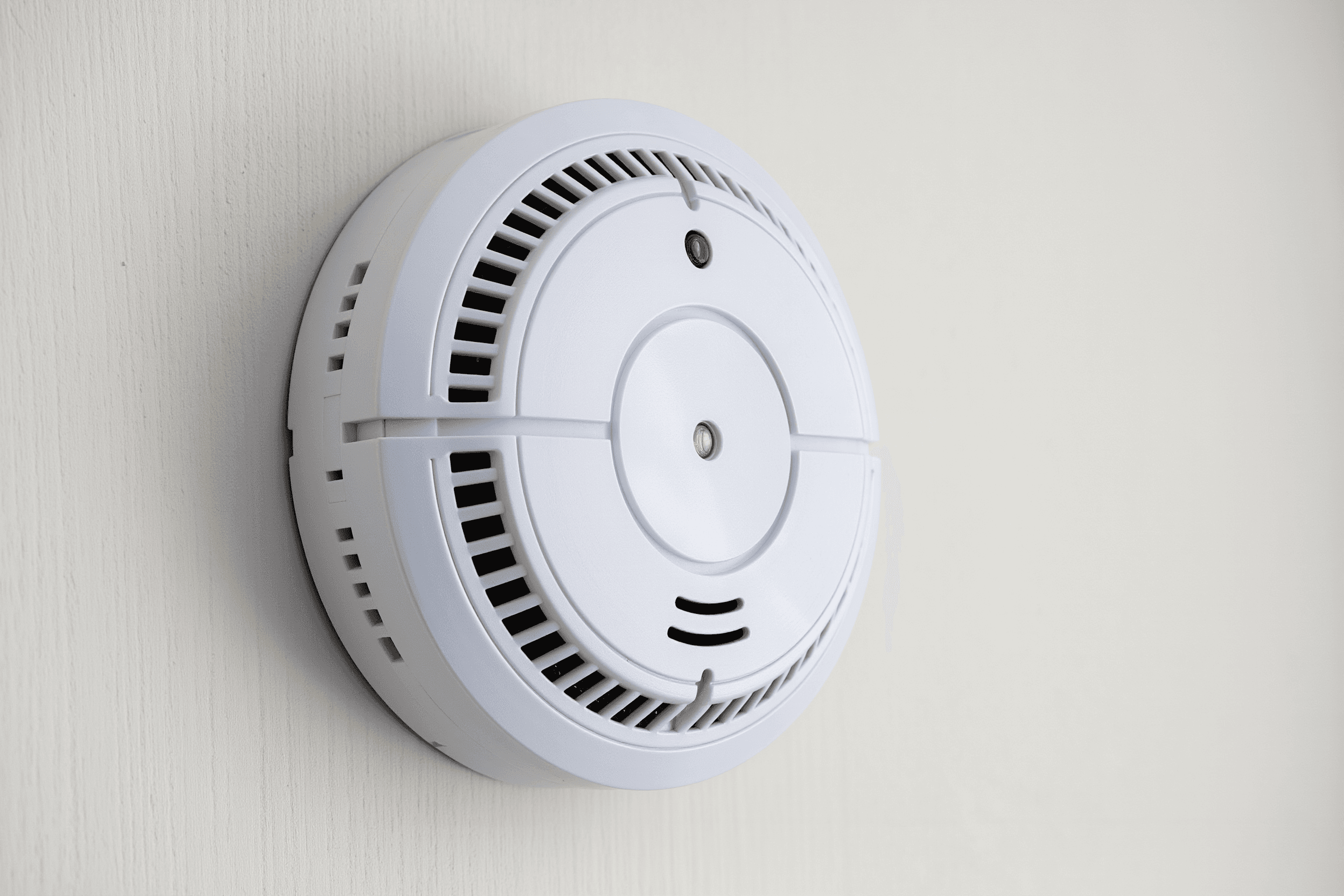
A gas, oil, or propane furnace produces carbon monoxide (CO) as a normal byproduct of combustion — that's unavoidable, even in a new, well-maintained unit. In a functioning system, this gas is captured and vented outside before it ever comes into contact with the air inside the home. The danger arises precisely when one of these two mechanisms fails: combustion becomes incomplete (producing more CO than expected), or venting is compromised (letting the CO produced accumulate indoors instead of escaping).
What makes CO particularly dangerous isn't its toxicity — real, but comparable to other household risks — it's its total invisibility. Unlike natural gas, to which an odor is deliberately added to make it detectable, carbon monoxide stays odorless, colorless, and tasteless at any concentration. The human body has no natural mechanism to perceive it before poisoning symptoms begin.
Visible warning signs on the appliance
- A flickering yellow or orange flame instead of a steady, even blue flame — one of the most reliable signs of incomplete combustion, and therefore excess CO production
- Black soot around the furnace, on vent covers, or near the outside exhaust vent
- Excessive condensation on windows near the furnace, a possible sign of a combustion or ventilation issue
- An unusual burning smell coming from the unit, distinct from the normal startup smell
- A cracked heat exchanger — the most serious cause, visible only to a technician during an inspection with specialized equipment
- Rust or water stains near the furnace's fittings or venting system
Warning signs in your own body
Carbon monoxide exposure symptoms deceptively resemble the flu or a cold, which is why so many cases go unnoticed at first:
- Persistent headaches, often described as continuous pressure
- Dizziness and nausea
- Unusual fatigue, hard to explain otherwise
- Confusion or difficulty concentrating
- Shortness of breath on light exertion
The most reliable telltale sign
One decisive clue often distinguishes CO poisoning from a simple flu: if symptoms noticeably improve when you leave the house — at work, at school, visiting someone — then return shortly after you're back, that's almost never a coincidence. If several household members show similar symptoms at the same time, or pets seem affected too, get out immediately and call emergency services from outside.
The essential protection: a CO detector
A working carbon monoxide detector installed near bedrooms is the only reliable way to catch a leak before symptoms appear — no amount of human vigilance can replace this tool, precisely because CO is undetectable by our senses. In Quebec, it's strongly recommended to install one on every occupied floor, especially in any home heated with gas, oil, or wood, or with an attached garage.
Why annual maintenance is the best prevention
Annual furnace maintenance, including inspection of the heat exchanger and venting system by a qualified technician, is the best way to prevent a leak before it happens. This inspection catches a microscopic crack in the heat exchanger, a partially blocked exhaust duct, or a needed combustion adjustment — problems invisible to the naked eye that develop gradually, well before a detector would ever trigger.
Frequently asked questions
How often should a CO detector be replaced?+
Most detectors have a 5-7 year lifespan — check the date printed on the unit.
Does a smoke detector also detect CO?+
No, these are two different technologies. Combined units exist, but a standard smoke detector does not detect carbon monoxide.
Does an attached garage increase the risk?+
Yes — leaving a vehicle idling in an attached garage, even with the door open, can let CO migrate into the house. A detector near the connecting door is strongly recommended.
What should I do if my CO detector goes off?+
Get all occupants and pets out of the house immediately, call emergency services from outside, and don't go back in until confirmed the air is safe.
Get a free quote
More to know before your project.
By Marc Tremblay — Certified HVAC technician, 12 years of experience in Quebec
Updated on July 22, 2026