
How Long Does a Masonry Chimney Last
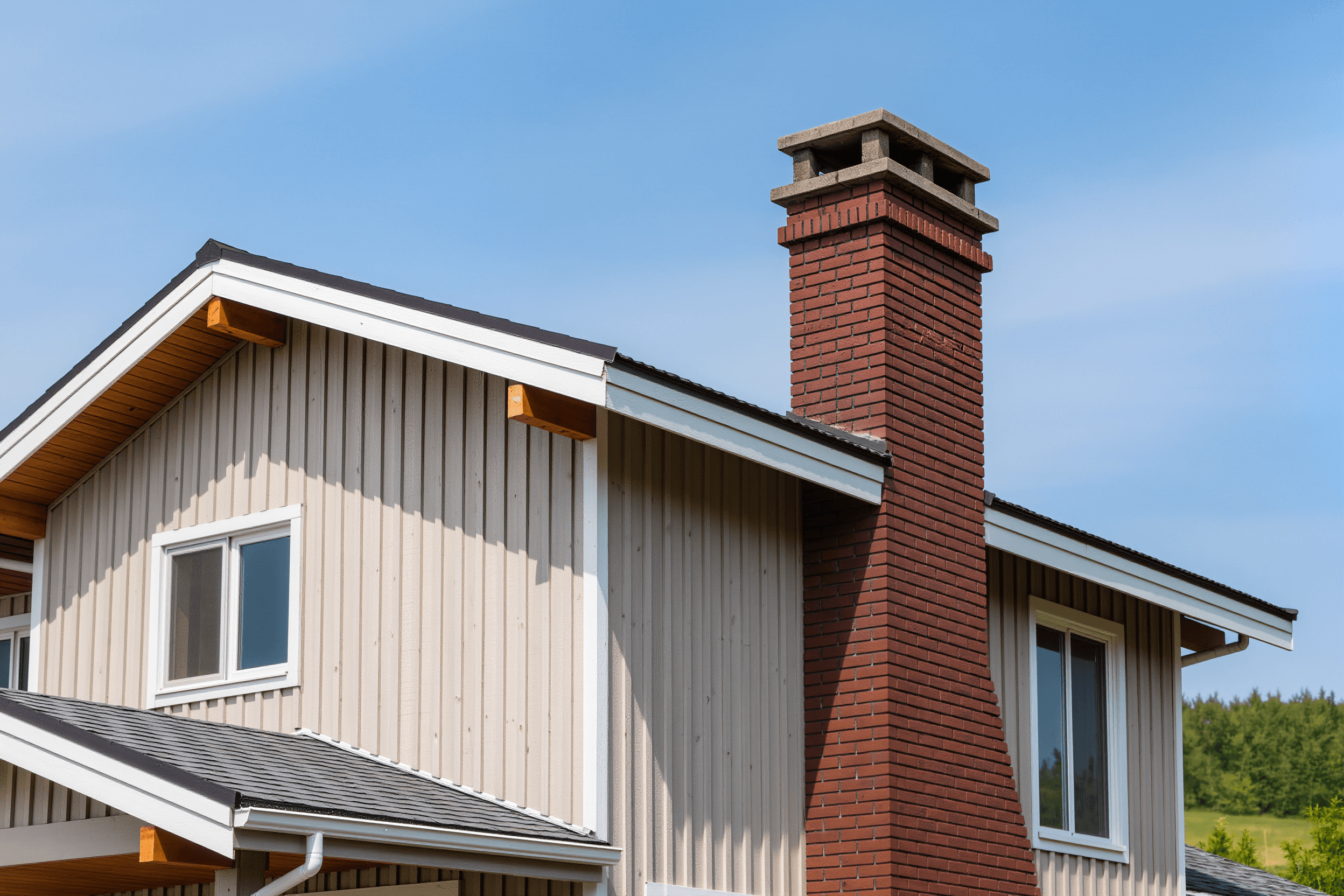
A masonry chimney built to current standards can last 50 to 100 years or more — but that impressive longevity hides a less-known reality: it depends entirely on regular maintenance of several individual components that don't share the main structure's lifespan at all, and whose early failure can significantly accelerate the deterioration of the whole thing.
Lifespan by component
| Component | Typical lifespan | What causes wear |
|---|---|---|
| Structure (brick and mortar) | 50-100 years | Untreated water intrusion, mainly |
| Traditional clay liner | 15-20 years | Repeated heat cycles, cracking |
| Stainless steel liner | 20-25 years or more | More durable, but not eternal |
| Chimney cap | 10-20 years | Direct weather exposure |
| Flashing | 15-20 years | Gradual deterioration, frequent leak source |
The structure itself: 50-100 years, if protected
Brick and mortar, if well maintained and protected from water intrusion, can last a very long time — it's water intrusion, not age itself, that causes the vast majority of structural damage seen on older chimneys.
The flue liner: the interior component that wears out first
A traditional clay liner typically lasts 15 to 20 years before showing cracks from the repeated heat cycles inherent to every heating season. A stainless steel liner, more resistant to this kind of thermal stress, can last 20 to 25 years or more, often making it a better choice when replacing one.
The chimney cap: the most commonly neglected component
Directly exposed to the elements — rain, snow, freeze-thaw, UV rays — the cap wears out notably faster than the rest of the structure, despite its disproportionately important role: it's what keeps water out of the flue. A rusted, cracked, or missing cap should be replaced promptly, since its failure directly accelerates the deterioration of every other component.
The flashing: the most underestimated leak source
The metal seal that closes the gap between the chimney and the roof is a frequent leak source once it starts deteriorating — often well before the chimney itself shows any visible sign of age, which makes this issue easy to miss during a superficial inspection.
What shortens the lifespan disproportionately
- Untreated water intrusion, the number-one cause of premature deterioration, capable of compromising in a few years a structure that could have lasted a century
- Repeated freeze-thaw cycles on masonry that's already cracked, where infiltrating water freezes and widens existing cracks with every cycle
- Skipping regular sweeping, which lets acidic creosote chemically attack the liner from the inside
- A cap that's been missing or damaged for a long time, letting water infiltrate directly into the flue with every rainfall
How to extend the lifespan by decades
An annual inspection catches early signs of deterioration — cracks, spalling, discoloration — before they become major, costly repairs. Applying a water-repellent product to the exterior masonry every 5 to 10 years significantly reduces water-related damage without altering its appearance or preventing the masonry from breathing normally.
Frequently asked questions
Is the cap really that important for overall lifespan?+
Yes — most major structural damage starts with water intrusion the cap should have prevented, making it the most cost-effective component to replace promptly.
How do I know if my liner needs replacing?+
A camera inspection, typically done during a professional sweep, reveals liner cracks or deterioration invisible to the naked eye from the firebox.
Get a free quote
More to know before your project.
By Sophie Bouchard — Certified chimney sweep, residential fire safety specialist
Updated on July 22, 2026