
Mitsubishi Electric vs Daikin: Which Heat Pump for Quebec?
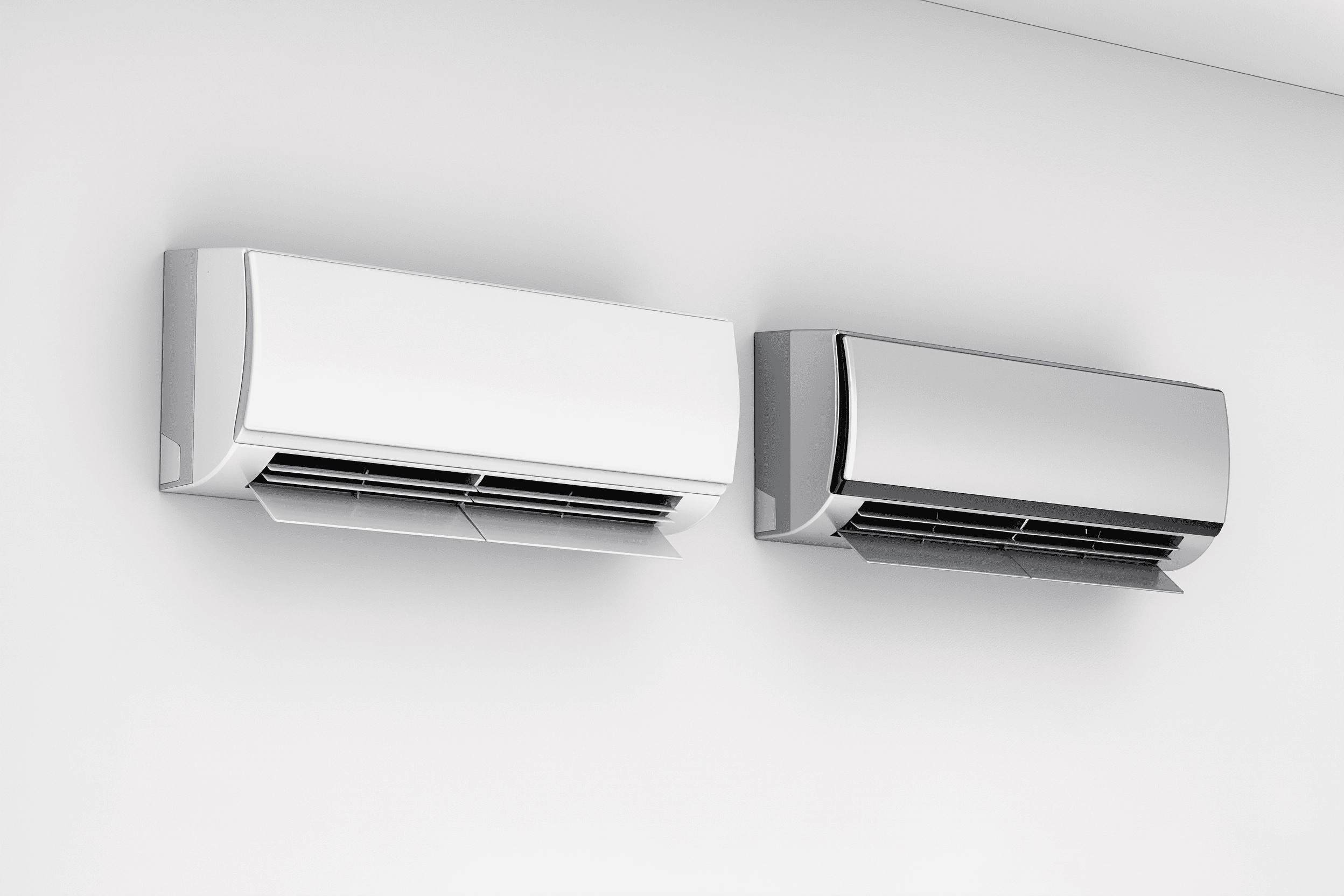
Mitsubishi Electric and Daikin dominate Quebec's residential market, and for good reason: both offer lineups specifically engineered to maintain heating capacity in extreme cold — a central issue in a climate where the unit needs to stay efficient well below -20°C, not just perform well on paper at 5°C.
Extreme-cold performance: the spec that matters most here
Mitsubishi Electric's Hyper-Heat lineup is known for maintaining high heating capacity down to very low temperatures, with guaranteed operation even in extreme cold. Daikin's cold-climate lineup (notably the Alira X series) targets comparable performance, maintaining high capacity down to moderately cold temperatures and staying functional, though reduced, below that.
In practice, both brands suit Quebec's climate if you pick the right model — the real difference comes down to the specific models being compared, not the two brands taken broadly. An entry-level Mitsubishi model can be less cold-suited than a top-tier Daikin cold-climate model, and vice versa.
Energy efficiency (SEER/HSPF)
Both manufacturers offer models with high SEER and HSPF ratings in their top lineups, with values overlapping significantly between the two brands depending on the exact model compared. For both, the real-world efficiency you see on your electricity bill depends more on the exact model, install quality, and correct sizing than on the brand itself — an oversized or poorly installed heat pump underperforms no matter what's on the box.
Noise level
Mitsubishi puts significant emphasis on quiet indoor unit operation, often cited among the quietest in the industry, a key selling point for bedrooms and open living spaces. Daikin has closed the gap considerably with its recent lineups, but Mitsubishi generally retains a slight perceived edge, particularly in the lowest ("quiet" or "night") operating mode.
Service network and parts availability
Both brands have a well-established network of certified technicians in Quebec, which makes future maintenance and repairs easier — a factor often underweighted at purchase time but very concrete the day a part needs replacing under warranty. Check with your installer on the real availability of replacement parts for the specific model proposed, not just for the brand in general.
Quick comparison
| Criteria | Mitsubishi Electric (Hyper-Heat) | Daikin (cold-climate lineups) |
|---|---|---|
| Extreme-cold performance | Industry benchmark | Very competitive, gap generally small |
| Indoor noise level | Often perceived as slightly better | Has largely closed the gap |
| Top-tier energy efficiency | High SEER/HSPF ratings | Comparable ratings by model |
| Certified installer network in Quebec | Well established | Well established |
| Price gap between brands | Overlaps significantly by model | Overlaps significantly by model |
How to decide in your specific case
If absolute quiet in a bedroom is your top priority, favor a top-tier Mitsubishi model. If you're after the best performance-to-price ratio in a solid cold-climate lineup, a comparable Daikin model deserves equal consideration. Either way, the most important variable remains the exact model proposed — not the brand — and installation quality, which affects real-world performance more than any single spec sheet number.
Our recommendation
Neither brand is objectively "better" for every case. The right choice depends on your home's size, your budget, your priorities (quiet, price, efficiency), and above all the specific model your installer proposes. Always ask for a quote that specifies the exact model with its cold-weather performance ratings, not just the brand and price.
Frequently asked questions
Which one is more expensive?+
Pricing overlaps significantly by model and capacity. It's generally not the brand that determines price, but the exact model and installation complexity.
Can I mix brands if I add a second unit?+
Technically yes for independent units, but a multi-zone system generally needs to stay within one brand to run off a single outdoor unit.
Does the warranty differ between the two brands?+
Both generally offer comparable warranties on parts and the compressor, but exact terms vary by model and installer — always ask for precise details before purchasing.
Is a newer model always better than an older one from the same brand?+
Generally yes for efficiency, but a well-maintained, correctly sized older model can still outperform a poorly installed new one — installation matters as much as the model's age.
Get a free quote
More to know before your project.
By Marc Tremblay — Certified HVAC technician, 12 years of experience in Quebec
Updated on July 22, 2026